NextPessoa
NextPessoa

HELPING BUSINESSES MANAGE QUEUES
HELPING BUSINESSES MANAGE QUEUES
OVERVIEW
OVERVIEW
NextPessoa is a digital queue management platform designed to eliminate the frustration of long physical queues by allowing customers to join queues remotely, monitor their position in real time, and receive notifications when it's almost their turn. The platform helps businesses improve customer experience while enabling staff to manage visitor flow more efficiently.
As the Product Designer, I was responsible for designing the end-to-end user experience across both the customer and business interfaces. This included understanding user pain points, mapping user journeys, designing intuitive flows, creating high-fidelity interfaces, and collaborating closely with stakeholders to ensure the solution met both customer needs and operational requirements.
NextPessoa is a digital queue management platform designed to eliminate the frustration of long physical queues by allowing customers to join queues remotely, monitor their position in real time, and receive notifications when it's almost their turn. The platform helps businesses improve customer experience while enabling staff to manage visitor flow more efficiently.
As the Product Designer, I was responsible for designing the end-to-end user experience across both the customer and business interfaces. This included understanding user pain points, mapping user journeys, designing intuitive flows, creating high-fidelity interfaces, and collaborating closely with stakeholders to ensure the solution met both customer needs and operational requirements.
CHALLENGE
CHALLENGE
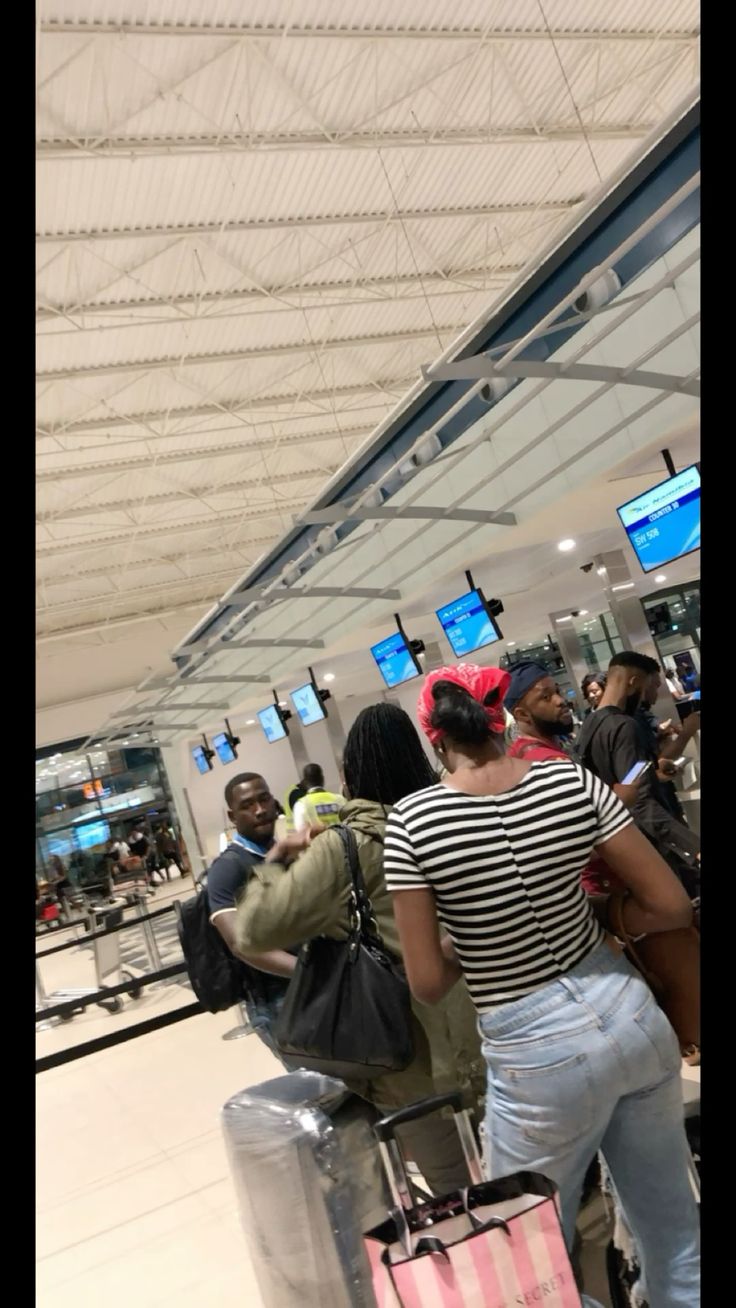
Waiting in long queues is a common frustration across banks, hospitals, government offices, and service centers. Customers often spend valuable time waiting with little visibility into how long the process will take, leading to dissatisfaction and overcrowded waiting areas.
On the business side, queue management was largely manual, making it difficult to monitor customer flow, estimate waiting times, prioritize visitors, or collect meaningful operational insights. Staff also struggled with handling peak-hour traffic and communicating queue updates effectively.
Waiting in long queues is a common frustration across banks, hospitals, government offices, and service centers. Customers often spend valuable time waiting with little visibility into how long the process will take, leading to dissatisfaction and overcrowded waiting areas.
On the business side, queue management was largely manual, making it difficult to monitor customer flow, estimate waiting times, prioritize visitors, or collect meaningful operational insights. Staff also struggled with handling peak-hour traffic and communicating queue updates effectively.

BRAINSTORMING
BRAINSTORMING
Before moving into wireframes, I reviewed the product owner's initial vision and design direction to understand the desired experience, core functionality, and business goals. This provided a strong foundation for exploring possible user flows and interface patterns.
To expand on these ideas, I used AI as a brainstorming partner throughout the discovery phase. Rather than generating final designs, AI helped me explore different approaches to queue management, identify potential edge cases, validate user flow ideas, and surface UX patterns commonly used in booking and scheduling products.
TARGET AUDIENCE
NextPessoa was designed for two primary user groups: customers who need to access services and businesses that manage high volumes of customers.
Customers
The primary customer is someone who needs to visit a service provider but wants to avoid spending unnecessary time physically waiting in line. This could include people visiting banks, hospitals, government offices, service centers, or other businesses where queues are common.
Businesses & Staff
The second audience consists of businesses and frontline staff responsible for managing customer queues. They need a simple way to organize incoming customers, monitor queue activity, and keep the process moving efficiently
NextPessoa was designed for two primary user groups: customers who need to access services and businesses that manage high volumes of customers.
Customers
The primary customer is someone who needs to visit a service provider but wants to avoid spending unnecessary time physically waiting in line. This could include people visiting banks, hospitals, government offices, service centers, or other businesses where queues are common.
Businesses & Staff
The second audience consists of businesses and frontline staff responsible for managing customer queues. They need a simple way to organize incoming customers, monitor queue activity, and keep the process moving efficiently
Before moving into wireframes, I reviewed the product owner's initial vision and design direction to understand the desired experience, core functionality, and business goals. This provided a strong foundation for exploring possible user flows and interface patterns.
To expand on these ideas, I used AI as a brainstorming partner throughout the discovery phase. Rather than generating final designs, AI helped me explore different approaches to queue management, identify potential edge cases, validate user flow ideas, and surface UX patterns commonly used in booking and scheduling products.
THE SOLUTION
A Simpler Way to Join a Queue
We created a straightforward flow that allows customers to scan QR of a business queue, select the queue they want to join, and receive a digital queue position. Instead of waiting in a crowded physical space, users can go about their day while keeping track of their place in line.
THE SOLUTION
A Simpler Way to Join a Queue
We created a straightforward flow that allows customers to scan QR of a business queue, select the queue they want to join, and receive a digital queue position. Instead of waiting in a crowded physical space, users can go about their day while keeping track of their place in line.


Real-Time Queue Tracking
Once a customer joins a queue, they can see their current position and estimated waiting time. This gives users visibility into what is happening and helps remove the uncertainty that usually comes with waiting.

Business Queue Management
For businesses, we designed an administrative experience for managing queues and customers in real time. Staff can monitor active queues, see who is waiting, manage customer progression, and keep the service process organized.
The dashboard was designed to provide the information staff need at a glance without overwhelming them with unnecessary complexity.

Real-Time Queue Tracking
Once a customer joins a queue, they can see their current position and estimated waiting time. This gives users visibility into what is happening and helps remove the uncertainty that usually comes with waiting.
Business Queue Management
For businesses, we designed an administrative experience for managing queues and customers in real time. Staff can monitor active queues, see who is waiting, manage customer progression, and keep the service process organized.
The dashboard was designed to provide the information staff need at a glance without overwhelming them with unnecessary complexity.
Bringing Both Experiences Together
The final solution connected the customer and business experiences into one ecosystem. Customers get visibility, convenience, and control, while businesses get better queue organization and operational visibility.
Rather than simply digitizing an existing physical queue, the goal was to rethink the waiting experience and make it more predictable, transparent, and convenient for everyone involved.
Design for the complete experience
The project reminded me that a good customer experience doesn't exist in isolation. The experience of joining a queue is directly connected to how staff manage that queue. Designing both sides together helped create a more consistent and practical product.
Bringing Both Experiences Together
The final solution connected the customer and business experiences into one ecosystem. Customers get visibility, convenience, and control, while businesses get better queue organization and operational visibility.
Rather than simply digitizing an existing physical queue, the goal was to rethink the waiting experience and make it more predictable, transparent, and convenient for everyone involved.
Design for the complete experience
The project reminded me that a good customer experience doesn't exist in isolation. The experience of joining a queue is directly connected to how staff manage that queue. Designing both sides together helped create a more consistent and practical product.